
SGPT Blood Test: Preparation, Procedure and Normal Range




On this page
The SGPT blood test is the most essential form of diagnostic test used to evaluate liver disease. Liver diseases are most difficult to detect in their early stages since people with liver disease rarely report any signs or symptoms. However, SGPT tests can help in detecting the areas of concern related to liver disease at an early stage.
What is an SGPT Blood test?
The SGPT blood test, also known as the alanine aminotransferase (ALT) test, is a simple blood test that measures the amount of SGPT (Serum Glutamate Pyruvate Transaminase) in a person's blood. SGPT is an enzyme that is mostly found in the liver, but is also found in lower concentrations in the heart, kidneys, and muscles.
SGPT is nothing but an enzyme that is involved in the amino acids metabolism. SGPT is often found in the blood but in very low amounts. However, whenever there is damage to the liver cells, then SGPT is released into the blood, which increases the level of SGPT in the blood and helps in diagnosing liver disease. Therefore doctor recommends the SGPT blood test to determine the extent of the liver damage
Which Factor Influences the SGPT Level?
The factors that influence the levels of SGPT are listed below:
- As the person grows older, their SGPT levels also fluctuate in the body.
- Women have lower SGPT levels than males because men have more muscle mass and differing hormonal levels.
- People who have diabetes have higher SGPT levels
- People who are undergoing surgery also have elevated levels of SGPT in the blood
- People who are obese also have high SGPT levels.
How do I prepare for an SGPT Blood test?
- Inform your doctor about your medical history
- Fasting is generally not required for this test
- No further specific preparation is required for this test
What is the procedure for an SGPT blood test?
The procedure for the SGPT blood test is listed below
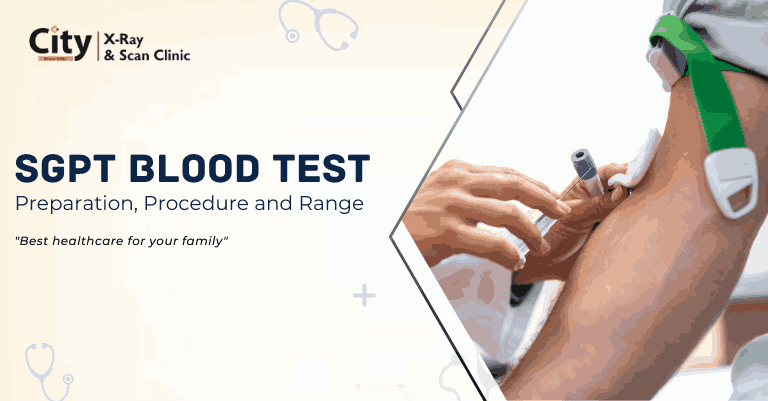
- A phlebotomist will tie a rubber band around your arm so that they can find the vein from which the blood sample will be drawn properly.
- After finding the appropriate vein, an alcohol swab will be used to clean the area, and then a sterile needle will be injected into the vein to collect your blood sample
- During this time, you might feel a slight pinching pain due to needle insertion
- After the collection of your blood sample. Your puncture site will be covered with a bandage or a cotton ball, and a rubber band will be removed
- The collected blood sample will then be sent to the lab for further analysis.
What is the SGPT Blood test normal range?
The SGPT test normal range is listed below:
- Normal SGPT Range for Men – 7 to 55 units per liter (U/L)
- Normal SGPT Range for Women – 7 to 45 U/L
What does the high SGPT blood test report mean?
If your SGpT blood test report says you have a high level of SGPT, then it means that you might have the following conditions:
- Liver cancer: Some of the most serious causes of high SGPT levels are liver cancer.
- Non-alcoholic fatty liver disease: People who do not drink heavily can also have an accumulation of fat in their livers. This disease, called nonalcoholic fatty liver disease, is associated with obesity, type 2 diabetes, or high cholesterol. Over time, NAFLD can cause liver inflammation, which further results in elevated SGPT levels, and If left untreated, it can progress to nonalcoholic steatohepatitis (NASH), liver cirrhosis, or even liver cancer.
- Alcoholic Fatty Liver Disease (AFLD): Excessive consumption of alcohol can damage the liver, leading to alcoholic fatty liver disease, which therefore makes the liver swell from the fat, damaging liver cells and increasing SGPT levels.
- Liver Cirrhosis: NAFLD, alcoholism, and viral infections can all cause long-term liver damage, eventually leading to cirrhosis. As a result, the liver develops scar tissue. Such hardened tissues are unable to function efficiently, resulting in inefficient blood flow, which worsens the liver's condition. Enhanced liver damage causes inflammation, which raises SGPT levels.
- Medications: Some medications, such as statins, antiepileptic drugs, and acetaminophen, can also damage the liver, which can further increase the level of SGPT in the blood
- Muscle Damage: SGPT is most commonly increased in the blood when there is any damage to the liver however it can also be found in muscles. SGPT elevation can occur as a result of severe muscle injury from trauma, exercise, or muscle illness such as Duchenne muscular dystrophy. It is critical to distinguish between high SGPT in the liver and muscle, and additional testing may be required.
Conclusion
The SGPT blood test is a simple yet very powerful screening tool for your liver. Getting yourself checked regularly, eating a healthy diet can help manage liver problems and improve health outcomes. The liver can be treated easily if the damage is identified at an early stage because the liver generally does not show any symptoms until enough damage is already done to it, therefore it is your duty to take care of your liver. Early diagnosis can help in preventing the severe life-threatening complications and give your doctor enough options for deciding the best treatment plan for you
Frequently Asked Questions?
What is the full form of SGPT?
The full form of SGPT is Serum Glutamate Pyruvate Transaminase
What is the SGPT blood test cost in Delhi?
The SGPT blood test price in Delhi may range from INR 150 to INR 500; the prices may vary by diagnostic center based on the location, technology, and the facilities available at the diagnostic center.
Where can I find the SGPT blood test near me?
You can book your SGPT blood test near your location at the best price in Delhi at the city Xray clinic. To know more information, please visit our website.
What are the side effects of SGPT blood test?
There are no side effects ofSGPT blood test; you might feel a little pain or a pinching sensation when the needle is inserted into the vein for blood sample collection.
What is the SGPT blood test normal range?
The normal range for SGPT blood test are:
- Normal SGPT Range for Men – 7 to 55 units per liter (U/L)
- Normal SGPT Range for Women – 7 to 45 U/L






Comments List