
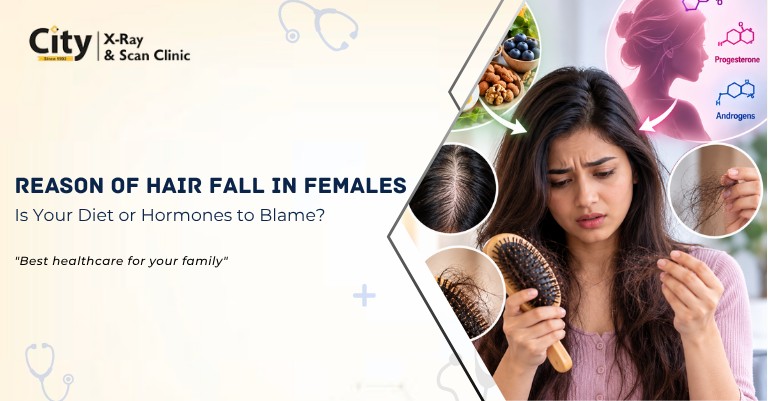
Reason of Hair Fall in Females: Is Your Diet or Hormones to Blame?

- Normal Shedding vs Red Flag Signs
- Diet vs Hormones: How They Affect Your Hair
- Nutritional Causes of Female Hair Shedding: Iron, Protein and Key Micronutrients
- PCOS and Hair Fall
- Thyroid Problems and Hair Loss
- Hair Fall After Pregnancy
- Menopause and Hair Thinning
- Stress Can Also Trigger Hair Shedding
- Can Crash Dieting Cause Hair Fall?
- Female Pattern Hair Loss
- How to Know Whether Diet or Hormones Are Responsible
- Blood Tests That May Be Considered for Hair Fall
- When Should You See a Doctor for Hair Fall?
- What Can You Do to Reduce Hair Fall?
- Does Cutting Hair Reduce Hair Fall?
- Hair Fall vs Hair Breakage: What's the Difference?
- Frequently Asked Questions About Hair Fall in Females
- Final Takeaway
- Related Articles
Seeing extra strands of hair on your pillow, in your hairbrush or down the shower drain can be alarming. While losing 50 to 100 hairs a day is completely normal, persistent shedding or noticeable scalp thinning often points to an internal imbalance. When searching for the root cause of hair fall in females, two major culprits usually top the list: your diet and your hormones. Here is a clear, simple breakdown to help you understand what is happening, and which one might be to blame.
Key Takeaways
- Diet-related hair fall is usually diffuse shedding across the whole scalp, often 2–3 months after crash dieting, illness or stress.
- Hormone-related hair fall is usually patterned thinning (wider part, thin crown) that develops gradually, as in thyroid disorders, PCOS or menopause.
- Common tests include CBC, Serum Ferritin, TSH, Vitamin D and Vitamin B12, based on symptoms.
- Do not self-prescribe supplements: find the cause first.
Normal Shedding vs Red Flag Signs
Your hair naturally cycles through periods of growth, rest and shedding. However, you should take a closer look if you notice:
- A widening centre part or visible scalp through your hair
- Thinning around the temples or a receding hairline
- Sudden, heavy shedding after washing or brushing
- Hair becoming noticeably finer or losing overall volume
- Bald patches or thinning eyebrows/eyelashes
Diet vs Hormones: How They Affect Your Hair
Both nutrition and hormonal balance act as the foundation for healthy hair growth. Here is how they differ:
| Hair Loss Triggers: Diet & Nutrition | Hair Loss Triggers: Hormones |
|---|---|
| Low iron / ferritin | Thyroid imbalance (hypo/hyper) |
| Inadequate protein intake | Excess androgens (PCOS, DHT) |
| Vitamin D & B12 deficiencies | Postpartum estrogen drop |
| Crash dieting & rapid weight loss | Perimenopause & menopause |
1. Is It Your Diet?
Hair cells are among the fastest-growing cells in your body, but they are non-essential for survival. When your body faces nutritional shortages, it prioritizes vital organs over hair follicles.
- Key culprits: low iron/ferritin, protein deficiency, zinc shortages, or Vitamin D/B12 depletion.
- What it looks like: diffuse shedding, you lose hair evenly across your entire scalp rather than in one specific spot.
- Timing: usually kicks in 2 to 3 months after a period of stress, extreme dieting or illness.
2. Is It Your Hormones?
Hormones regulate how long your hair stays in its active growth phase and how thick each strand grows.
- Key culprits: thyroid dysfunction (sluggish or overactive), androgen excess (PCOS), or sudden drops in estrogen (postpartum or menopause).
- What it looks like: patterned thinning, such as a widening part, thinning at the crown or receding temples.
- Timing: tends to happen gradually over months or years, though postpartum shedding can occur suddenly a few months after giving birth.
Nutritional Causes of Female Hair Shedding: Iron, Protein and Key Micronutrients
When your body experiences a shortage of essential nutrients, hair follicles are often the first tissue to suffer. Because hair growth is non-essential for survival, the body redirects limited nutrients away from the scalp matrix toward vital internal organs.
Understanding the specific nutritional factors involved helps clarify why crash dieting, restrictive eating or undiagnosed deficiencies lead to diffuse hair loss.
1. Iron Deficiency and Hair Shedding
Iron plays a direct role in synthesizing haemoglobin, which carries oxygen to the dermal papilla at the base of the hair follicle. When iron stores drop, oxygen delivery decreases, slowing cell division in the hair matrix.
Common causes of low iron in women:
- Heavy menstrual bleeding: the most frequent cause of depleted iron stores in premenopausal women.
- Pregnancy and postpartum: high metabolic demand during pregnancy depletes body reserves.
- Dietary intake and malabsorption: inadequate iron intake or gastrointestinal conditions (like coeliac or inflammatory bowel disease). Learn more about gut health and its tests.
Clinical indicator: if excessive shedding is accompanied by fatigue, pale skin, weakness, cold hands or dizziness, ask your healthcare provider to check Serum Ferritin alongside a standard Complete Blood Count (CBC).
2. Low Protein Intake: Stripping the Building Blocks
Hair fibres are composed of roughly 85% to 90% keratin, a structural protein made from amino acids. When protein intake drops drastically, often due to restrictive calorie counting or extreme weight-loss diets, the body cannot sustain keratin production.
3. Key Micronutrients Essential for Hair Health
While hair loss does not automatically mean a vitamin deficiency, several micronutrients support the active growth phase:
| Nutrient | Biological Role | Misconception / Key Fact |
|---|---|---|
| Iron | Oxygen transport to the hair matrix | Ferritin levels can be low even if haemoglobin appears normal on a routine blood test. |
| Vitamin D | Regulates cell cycling in hair follicles | Deficiencies are widely linked to diffuse shedding (telogen effluvium). |
| Vitamin B12 & Folate | Cell division and DNA synthesis in rapidly growing tissue | B12 deficiency is common in strict vegetarian/vegan diets or malabsorption. |
| Zinc | Tissue repair and follicle enzyme function | Both deficiency and over-supplementation can cause hair shedding. |
| Biotin (Vitamin B7) | Supports keratin infrastructure | True biotin deficiency is rare; mega-doses without a proven deficiency offer little benefit. |
Read more about the symptoms of vitamin D deficiency.
PCOS and Hair Fall
Polycystic ovary syndrome (PCOS) is a hormonal condition that may affect menstrual cycles, ovulation, androgen levels, skin and hair.
Some women with PCOS may experience scalp hair thinning or hair loss due to increased sensitivity to androgens. At the same time, increased androgen activity may cause excess facial or body hair growth.
Other common features of PCOS may include:
- Irregular or infrequent periods
- Acne
- Increased facial or body hair
- Difficulty with ovulation or conception
- Weight changes
Hair loss alone does not indicate PCOS. If hair thinning occurs along with irregular periods, acne or increased facial hair, consultation with a gynaecologist or endocrinologist may be appropriate. A PCOD profile may be advised. Also read how PMOS and PCOS change after menopause.
Thyroid Problems and Hair Loss
The thyroid gland produces hormones that regulate metabolism and influence many functions in the body. Both underactive thyroid (hypothyroidism) and overactive thyroid (hyperthyroidism) can sometimes cause changes in hair growth or hair loss.
Other symptoms that may occur with thyroid disorders include:
- Unexplained weight changes
- Fatigue or changes in energy levels
- Changes in heart rate
- Increased sensitivity to cold or heat
- Changes in bowel habits
- Menstrual changes
- Dry skin
- Mood changes
A thyroid blood test, commonly including TSH, may be considered when symptoms suggest a thyroid disorder. Additional tests such as a thyroid profile may be recommended depending on the individual's symptoms and clinical assessment.
Hair loss has many possible causes, so appropriate evaluation by a healthcare professional is important before attributing it to PCOS or thyroid problems.
Hair Fall After Pregnancy
Many women notice increased hair shedding a few months after giving birth.
This is often related to changes in the normal hair-growth cycle after pregnancy. During pregnancy, hormonal changes can keep more hairs in the growth phase. After delivery, a larger number of hairs may enter the shedding phase around the same period.
This condition is commonly referred to as postpartum hair shedding or telogen effluvium.
It can be alarming because the amount of shedding may appear substantial. In many cases, hair growth gradually returns toward its previous pattern over time.
However, persistent or severe hair loss should still be evaluated because nutritional deficiencies, thyroid problems and other factors can also occur around pregnancy and the postpartum period.
Menopause and Hair Thinning
Hair changes are also common around menopause. As hormone levels change, some women may notice:
- Reduced hair density
- Increased scalp visibility
- Thinner hair strands
- Widening of the centre part
- More noticeable thinning around the crown
Menopause-related hair changes can overlap with female pattern hair loss, genetics, nutritional issues and other causes. Therefore, persistent thinning should not automatically be attributed to menopause without considering other possible factors.
Stress Can Also Trigger Hair Shedding
Stress is another important factor that can contribute to hair loss.
Significant physical or emotional stress may cause a larger number of hairs to enter the resting phase of the hair cycle. Increased shedding may become noticeable several weeks or months after the triggering event.
Possible triggers include:
- Major illness
- Surgery
- High fever, such as dengue or typhoid
- Significant emotional stress
- Severe dieting
- Rapid weight loss
- Major life changes
- Sleep disruption
This type of hair loss is often temporary when the underlying trigger is addressed, although recovery can take time.
Can Crash Dieting Cause Hair Fall?
Yes, rapid weight loss and severe calorie restriction can contribute to hair shedding.
When the body receives insufficient energy and nutrients, it may prioritize essential functions over processes such as hair production.
Crash diets may also result in inadequate intake of:
- Protein
- Iron
- Zinc
- Essential nutrients
- Overall calories
If you are trying to lose weight, a gradual and nutritionally balanced approach is generally preferable to extreme calorie restriction.
Female Pattern Hair Loss
Not all hair loss is caused by diet or hormonal abnormalities.
Female pattern hair loss, also known as female androgenetic alopecia, is a common form of hair thinning influenced by genetics and hormonal factors.
A typical pattern may include:
- Gradual widening of the centre part
- Thinning over the crown
- Reduced overall hair density
- More visible scalp
Unlike some temporary forms of hair shedding, female pattern hair loss may progressively continue without appropriate management.
A dermatologist can examine the scalp and determine whether the pattern is consistent with female pattern hair loss or another condition.
How to Know Whether Diet or Hormones Are Responsible
Hair loss is rarely caused by a single factor, making it essential to understand whether nutritional deficiencies or hormonal shifts are driving the shedding. Because hair growth is non-essential for survival, your body prioritizes vital organs whenever nutrient levels drop or hormone levels fluctuate, leading to noticeable changes in hair density.
Key Indicators That Point to a Dietary Cause
When your diet lacks essential nutrients, the hair growth cycle is abruptly interrupted, causing hair to shed evenly across the whole head.
- Sudden, diffuse shedding: you notice hair falling out evenly from all over the scalp rather than in specific spots or a single pattern.
- Low iron and ferritin stores: reduced iron levels impair oxygen transport to hair root cells, causing increased shedding, especially in women with heavy periods.
- Protein deficiencies: because hair fibres are composed of keratin protein, crash diets or low protein intake deprive hair follicles of essential building blocks.
- Lack of key micronutrients: low levels of Vitamin D, Vitamin B12 or Zinc weaken follicle function and slow down active cell division.
- Associated physical symptoms: shedding is frequently accompanied by fatigue, pale skin, weakness or brittle nails.
Key Indicators That Point to a Hormonal Cause
Hormonal shifts directly alter how long hair remains in its active growth phase and can cause hair follicles to shrink over time.
- Patterned scalp thinning: hair loss appears as a widening central part line, thinning at the crown or receding hair at the temples.
- Gradual onset: thinning develops slowly over months or years rather than appearing overnight.
- Androgen excess and PCOS: elevated dihydrotestosterone (DHT) levels cause hair follicles to miniaturize, producing progressively finer strands.
- Thyroid dysfunction: both sluggish (hypo) and overactive (hyper) thyroid glands disrupt overall body metabolism and follicle health.
- Associated systemic symptoms: thinning occurs alongside irregular menstrual periods, adult acne, unwanted facial hair or unexplained weight changes.
Diagnostic Steps to Determine the Real Cause
Identifying the exact root cause requires a systematic medical evaluation rather than relying on quick-fix products or random supplementation.
- Track the pattern and timeline: note whether hair loss appeared suddenly after a major life stressor or developed gradually over time.
- Schedule targeted blood work: request tests for Serum Ferritin, Vitamin D3, Vitamin B12, Thyroid Panel (TSH) and Androgens (Testosterone/DHEA-S).
- Undergo a scalp examination: have a dermatologist examine your scalp under magnification to check for follicle miniaturization or inflammation.
- Focus on targeted care: address the specific deficiency or hormonal imbalance with professional guidance instead of self-prescribing supplements.
Blood Tests That May Be Considered for Hair Fall
There is no single blood test that explains every case of hair loss. Depending on your symptoms and medical history, a doctor may consider tests such as:
| Test | Why It May Be Considered |
|---|---|
| CBC | Helps evaluate anaemia and other blood abnormalities |
| Ferritin | Helps assess stored iron |
| Iron Studies | May help evaluate iron status |
| TSH | Helps assess thyroid function |
| Vitamin B12 | May be considered when deficiency is suspected |
| Vitamin D | May be considered depending on clinical circumstances |
| Zinc | May be considered in selected cases |
| Hormonal Tests (e.g. PCOD Profile) | May be considered when symptoms suggest hormonal imbalance |
Important: not every woman with hair loss needs every test listed above. Testing should be based on symptoms, examination, diet, medical history and professional medical advice. City X-Ray & Scan Clinic also offers free home blood sample collection in Delhi NCR.
When Should You See a Doctor for Hair Fall?
You should consider medical evaluation if hair loss is:
- Sudden
- Severe
- Persistent
- Associated with bald patches
- Accompanied by scalp pain or inflammation
- Associated with eyebrow or eyelash loss
- Occurring with irregular periods
- Associated with increased facial hair
- Associated with unexplained weight changes
- Occurring after a major illness
- Accompanied by significant fatigue or other symptoms
Early evaluation can help identify potentially treatable causes.
What Can You Do to Reduce Hair Fall?
The appropriate approach depends on the underlying cause, but several general habits can support overall hair and scalp health.
Eat a Balanced Diet
Include adequate protein, fruits, vegetables, whole grains, legumes, dairy or suitable alternatives, nuts, seeds and other nutrient-rich foods.
Avoid Extreme Dieting
Rapid weight-loss diets can increase the risk of nutritional deficiencies and temporary hair shedding.
Take Supplements Only When Appropriate
Do not assume that taking more vitamins will automatically produce thicker hair. Supplements are most useful when a deficiency or specific medical indication has been identified.
Be Gentle With Your Hair
Avoid excessive heat, very tight hairstyles, aggressive brushing and frequent harsh chemical treatments.
Manage Stress
Regular physical activity, sufficient sleep, relaxation techniques and healthy routines can support overall well-being.
Treat Underlying Medical Conditions
If thyroid disease, PCOS, iron deficiency or another condition is contributing to hair loss, treating the underlying problem may be an important part of management.
Does Cutting Hair Reduce Hair Fall?
Cutting the hair does not stop hair shedding from the scalp because hair growth occurs at the follicle beneath the skin.
However, trimming split ends can make hair look healthier and reduce breakage.
It's important to distinguish hair shedding from the root from hair breakage along the hair shaft. They have different causes and require different approaches.
Hair Fall vs Hair Breakage: What's the Difference?
Understanding whether you are dealing with true hair fall or simple hair breakage is essential, as each problem stems from a completely different root cause and requires a different solution.
| Feature | Hair Fall (Shedding) | Hair Breakage |
|---|---|---|
| Primary location | Originates from the hair follicle/root inside the scalp | Occurs along the hair shaft above the scalp surface |
| Visible strand appearance | Full-length hair strand, usually with a tiny white bulb attached at the root end | Short, uneven fragments without a root bulb, often with split ends |
| Scalp impact | Often leads to visible scalp thinning, a widening part or reduced overall volume | Results in frizzy, uneven or frayed ends without direct density loss at the scalp |
| Main causes | Internal triggers (hormonal shifts, nutritional gaps, stress, genetics) | External factors (heat styling, chemical dyes, physical friction, dry hair) |
| Primary solution | Internal care (blood tests, diet improvement, medical or hormonal treatment) | External care (heat protection, gentle handling, deep conditioning, hair trims) |
Frequently Asked Questions About Hair Fall in Females
What is the most common reason for hair fall in females?
There is no single cause that applies to every woman. Common contributors include female pattern hair loss, temporary shedding after stress or illness, hormonal changes, nutritional deficiencies, thyroid problems, pregnancy-related changes and certain medical conditions.
Can iron deficiency cause hair fall in women?
Low iron stores may be associated with increased hair shedding in some women, particularly those with heavy menstrual bleeding. A healthcare professional can determine whether iron testing is appropriate.
Can hormonal imbalance cause hair fall?
Yes. Hormonal conditions such as thyroid disorders, PCOS, pregnancy-related hormonal changes and menopause can be associated with hair thinning or increased shedding.
Can dieting cause hair loss?
Very restrictive diets, inadequate calorie intake, insufficient protein and rapid weight loss can contribute to temporary hair shedding.
Does PCOS cause hair fall?
PCOS can contribute to scalp hair thinning in some women because of androgen-related effects. It may also cause increased facial or body hair.
Which vitamin deficiency causes hair fall?
Several nutritional deficiencies can be associated with hair problems, including iron and certain vitamin deficiencies. However, hair loss alone cannot establish that a particular vitamin is deficient.
Should I take biotin for hair loss?
Biotin deficiency is uncommon, and routine high-dose biotin supplementation is not appropriate for everyone. If you suspect a deficiency, discuss it with a healthcare professional before starting supplements.
Can thyroid problems cause hair loss?
Yes. Both underactive and overactive thyroid conditions can sometimes affect hair growth and cause increased shedding.
Is postpartum hair loss permanent?
Postpartum shedding is often temporary and may improve as the hair-growth cycle normalizes. Persistent or severe hair loss should be evaluated to rule out other causes.
When should women get tested for hair loss?
Testing may be considered when hair loss is persistent, significant, sudden or accompanied by symptoms suggesting anaemia, thyroid problems, hormonal conditions, nutritional deficiencies or another medical issue.
Final Takeaway
The reason for hair fall in females can be related to diet, hormones, genetics, stress, medical conditions or a combination of factors. Nutritional deficiencies such as low iron stores, restrictive dieting, thyroid disorders, PCOS, pregnancy-related hormonal changes, menopause and female pattern hair loss are among the possibilities.
Rather than immediately taking supplements or using hair-growth products, it is more useful to identify why the hair is falling in the first place. A dermatologist or other appropriate healthcare professional can assess your hair-loss pattern, medical history, diet, symptoms and, when necessary, recommend relevant tests.
If your hair loss is sudden, excessive, persistent or accompanied by other symptoms, professional evaluation can help determine the underlying cause and guide appropriate treatment.
Related Articles


.jpeg)


Comments List