
PMOS After Menopause: What Changes, What Stays, and What Women Should Know

- PMOS vs PCOS: What Is the Difference?
- Does PMOS Disappear After Menopause?
- How PCOS-Related Features Shift After Menopause
- PMOS vs PCOS: Why the Difference Matters
- Can PCOS Be Diagnosed After Menopause?
- When Should Postmenopausal Women See a Doctor?
- What Tests May Be Recommended After Menopause?
- Can Lifestyle Changes Help After Menopause?
- What Women With Previous PCOS Should Remember
- Frequently Asked Questions
- Final Takeaway
- Related Articles
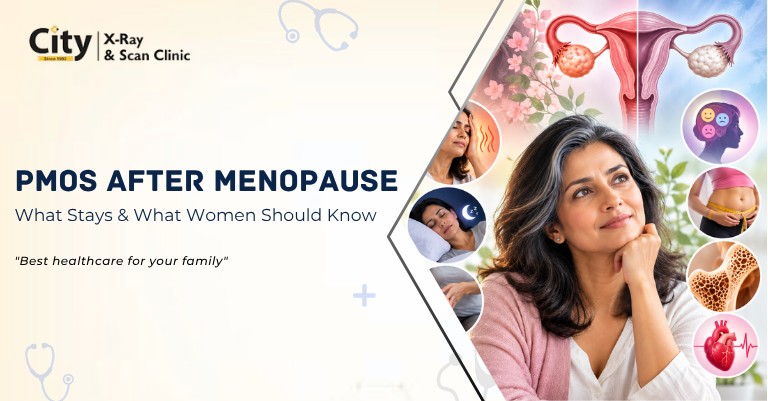
Menopause is a natural stage of life, but many women notice that their bodies continue to evolve even long after their periods have stopped. One area that frequently causes confusion is PMOS (Polycystic Ovarian Morphology) and how PCOS-related features present after menopause. It is critical to distinguish between polycystic-appearing ovaries and Polycystic Ovary Syndrome (PCOS). Because hormone levels shift drastically after menopause, periods are no longer an indicator of health, and the physical appearance of the ovaries on an ultrasound changes significantly.
Key Takeaways
- PMOS is an ultrasound finding, PCOS is a syndrome: polycystic-appearing ovaries alone do not mean a woman has PCOS.
- Ovaries shrink after menopause: the classic polycystic appearance often fades on ultrasound.
- Metabolic risks can persist: insulin resistance, cholesterol changes and heart risk may continue after menopause.
- New symptoms need evaluation: postmenopausal bleeding, rapid facial hair growth or a new pelvic mass should not be blamed on old PCOS.
PMOS vs PCOS: What Is the Difference?
Polycystic Ovarian Morphology (PMOS or PCOM) describes an ultrasound appearance characterized by multiple small, undeveloped follicles or increased overall ovarian volume. Having polycystic-appearing ovaries alone does not mean a woman has PCOS; PMOS is simply an anatomical finding.
Polycystic Ovary Syndrome (PCOS) is a complex, systemic hormonal and metabolic condition. In reproductive-aged women, diagnosis typically requires meeting specific clinical criteria involving:
- Irregular or absent menstrual cycles
- Hyperandrogenism: elevated male hormone levels or symptoms like hirsutism (excess facial/body hair) and persistent acne
- Ovulatory dysfunction: difficulty conceiving due to irregular ovulation
- Metabolic features: insulin resistance, weight changes and higher risk of metabolic issues
- Polycystic ovarian morphology on an ultrasound scan
Does PMOS Disappear After Menopause?
Menopause occurs when ovarian activity naturally declines, leading to the permanent cessation of menstrual periods along with a substantial drop in estrogen and progesterone levels.
As part of this transition, the ovaries undergo natural anatomical changes:
- Decreased ovarian size: the ovaries gradually atrophy (shrink) and lose overall volume.
- Fewer visible follicles: the number of remaining resting follicles decreases significantly.
Because of these natural age-related shifts, an ultrasound scan performed after menopause looks very different from one taken during reproductive years. As a result, a woman who previously met the ultrasound criteria for Polycystic Ovarian Morphology (PCOM/PMOS) during her younger years may no longer display those same features post-menopause.
How PCOS-Related Features Shift After Menopause
Several features associated with reproductive-age PCOS can change naturally, while others may continue.
| Feature | Before Menopause | After Menopause |
|---|---|---|
| Menstrual cycles | Irregular or absent periods are a key sign of PCOS | Periods stop naturally, so cycles can no longer be used to assess PCOS |
| Ovaries on ultrasound | May show multiple small follicles (PMOS/PCOM) | Ovaries shrink and follicle count falls; polycystic look often fades |
| Estrogen | Produced by the ovaries | Drops sharply, causing typical menopause symptoms |
| Fertility focus | Ovulation and conception are often clinical priorities | Focus shifts to metabolic, heart and bone health |
| Insulin resistance | Common in PCOS | Often persists; diabetes risk remains |
| Excess hair (hirsutism) | Due to androgen activity | Established hair may persist; new or rapid growth needs evaluation |
What Changes After Menopause
- Menstrual irregularity is no longer a diagnostic indicator: before menopause, unpredictable or absent cycles are a central hallmark of PCOS. Because periods cease naturally post-menopause, clinicians can no longer rely on menstrual patterns to assess or track the condition.
- Ultrasound findings fade: ovaries naturally shrink (atrophy) and experience a significant reduction in follicle count following menopause. As a result, ovaries that previously met the diagnostic criteria for Polycystic Ovarian Morphology (PCOM/PMOS) often no longer display that classic appearance on ultrasound scans.
- Estrogen levels decline sharply: ovarian production of estrogen drops substantially. This drop is a normal part of menopause and drives common symptoms, including hot flashes and night sweats, vaginal dryness and tissue changes, sleep disruptions, mood changes, and shifts in skin elasticity and hair texture.
- Clinical focus shifts away from fertility: once ovulation stops and natural pregnancy is no longer possible, reproductive goals cease to be a clinical priority. Medical management pivots toward managing long-term metabolic health, cardiovascular protection and overall wellness.
What Can Persist After Menopause?
While reproductive signs dissipate, the systemic endocrine and metabolic aspects of PCOS often remain long-term.
- Persistent excess hair growth (hirsutism): androgen activity during reproductive years may lead to established facial or body hair growth that persists post-menopause. However, any new or rapidly progressive hair growth after menopause should be clinically evaluated to rule out underlying hormonal imbalances or adrenal concerns rather than assumed to be leftover PCOS. Scalp hair thinning in women can also have hormonal and nutritional causes.
- Weight and body composition shifts: PCOS is closely tied to metabolic dysfunction. Combined with the natural metabolic slowdown and visceral fat redistribution that accompany menopause, weight management can remain a persistent challenge.
- Insulin resistance and glycemic health: insulin resistance frequently persists well beyond menopause, maintaining an elevated risk for prediabetes and type 2 diabetes. Routine blood sugar screenings (such as HbA1c testing) allow for early detection and lifestyle modification.
- Cardiovascular and lipid profiles: PCOS is associated with increased cardiometabolic risks, including abnormal cholesterol levels (dyslipidemia), elevated blood pressure and vascular stiffness. Because estrogen's protective effect on heart health diminishes after menopause, proactive monitoring for heart disease becomes essential for women with a history of PCOS.
PMOS vs PCOS: Why the Difference Matters
It is easy to confuse PMOS with PCOS, but they are not interchangeable terms. Polycystic ovarian morphology describes an appearance of the ovaries, usually identified through ultrasound.
PCOS is a broader hormonal and metabolic syndrome. A woman can have polycystic-appearing ovaries without having PCOS. Similarly, a woman can have PCOS without having a classic polycystic appearance on ultrasound. This distinction is especially important after menopause because ovarian morphology naturally changes with age.
Can PCOS Be Diagnosed After Menopause?
Diagnosing PCOS for the first time after menopause can be challenging. Doctors generally consider a woman's earlier reproductive history, including:
- Menstrual patterns before menopause
- History of ovulation problems
- Symptoms of androgen excess
- Previous hormone test results, such as a PCOD profile
- Previous ultrasound findings
- History of infertility
- Metabolic health
- Weight and blood sugar history
If a woman had a well-documented history of PCOS before menopause, that history can help doctors understand her health after menopause. If PCOS is suspected for the first time after menopause, other possible causes of symptoms may need to be considered.
When Should Postmenopausal Women See a Doctor?
Certain changes should not simply be assumed to be part of menopause or PCOS. Women should seek medical evaluation if they experience:
- Vaginal bleeding after menopause
- Rapid development of facial or body hair
- Sudden worsening of acne
- Significant or unexplained weight changes
- New deepening of the voice
- New severe abdominal or pelvic pain
- A new pelvic mass or ovarian abnormality found on imaging
- Persistent unexplained symptoms
Postmenopausal bleeding deserves particular attention and should be evaluated by a healthcare professional.
What Tests May Be Recommended After Menopause?
The appropriate tests depend on symptoms and individual medical history. A doctor may consider:
| Test | What It Helps Assess |
|---|---|
| Fasting Blood Glucose / HbA1c | Blood sugar control and diabetes risk |
| Lipid Profile | Total, LDL and HDL cholesterol and triglycerides |
| Blood Pressure Check | Hypertension, which becomes more common with age |
| Hormonal Tests (e.g. Testosterone, DHEA-S) | Possible androgen excess or another endocrine condition |
| Pelvic Ultrasound | Ovarian size, cysts, masses and other pelvic findings |
| DEXA/BMD Scan | Bone density and osteoporosis risk |
Blood Sugar Testing
Tests such as fasting blood glucose or HbA1c may help assess blood sugar control and diabetes risk. Read more about normal blood sugar levels.
Lipid Profile
A lipid profile can measure:
- Total cholesterol
- LDL cholesterol
- HDL cholesterol
- Triglycerides
Blood Pressure
Regular blood pressure checks are important because hypertension becomes more common with increasing age.
Hormonal Tests
Hormone testing may be recommended when symptoms suggest an abnormal androgen level or another endocrine condition. The exact tests depend on the symptoms and clinical assessment.
Pelvic Ultrasound
A pelvic ultrasound may be recommended when there are symptoms or concerns involving the uterus or ovaries. Ultrasound can help evaluate ovarian size, cysts, masses and other pelvic findings. It should not be interpreted alone as proof of PCOS.
Can Lifestyle Changes Help After Menopause?
Yes. Healthy lifestyle habits can remain important for women with a previous history of PCOS or polycystic ovarian morphology.
Maintain a Balanced Diet
Focus on a varied diet containing:
- Vegetables
- Fruits
- Whole grains
- Pulses and legumes
- Adequate protein
- Healthy fats
- Calcium-rich foods
Limiting highly processed foods and excessive added sugar can also support metabolic health.
Stay Physically Active
Regular physical activity can help support:
- Healthy body weight
- Blood sugar control
- Cardiovascular health
- Muscle strength
- Bone health
- Overall wellbeing
A combination of aerobic activity and strength training can be useful for many postmenopausal women.
Prioritize Bone Health
Estrogen levels fall after menopause, which can contribute to bone loss. Adequate calcium, vitamin D, weight-bearing exercise and appropriate medical screening can help support bone health. A doctor may recommend a DEXA/BMD scan when appropriate based on age and individual risk factors. Learn the signs of low calcium in women and vitamin D deficiency.
What Women With Previous PCOS Should Remember
Having PCOS before menopause does not mean that every symptom after menopause is caused by PCOS. At the same time, reaching menopause does not mean that all previous metabolic considerations disappear. A woman's healthcare needs may gradually shift from reproductive health toward:
- Blood pressure monitoring
- Blood sugar monitoring
- Cholesterol assessment
- Weight and waist management
- Cardiovascular health
- Bone health
- Evaluation of new hormonal symptoms
- Appropriate cancer screening, such as a Pap smear and mammography
A health check-up for women can cover many of these screenings in a single visit.
Frequently Asked Questions
Does polycystic ovarian morphology disappear after menopause?
The polycystic appearance may become less noticeable because the ovaries generally become smaller and contain fewer visible follicles after menopause. However, a previous history of PCOS remains relevant to a woman's overall health.
Can a woman still have PCOS after menopause?
PCOS is a lifelong condition, but some of its reproductive manifestations become difficult to assess after menopause. A previous diagnosis and reproductive history can be important when evaluating health later in life.
Does menopause cure PCOS?
Menopause ends the reproductive phase and menstrual cycles, but it should not be considered a cure for every hormonal or metabolic feature associated with PCOS.
Can polycystic ovaries cause problems after menopause?
The ultrasound appearance itself does not necessarily cause problems. However, new ovarian symptoms or abnormalities after menopause should be evaluated rather than automatically attributed to previous PCOS or PMOS.
Is an ultrasound enough to diagnose PCOS?
No. Polycystic ovarian morphology on ultrasound is only one possible feature associated with PCOS. Diagnosis generally requires consideration of the woman's symptoms, medical history and other clinical findings.
Final Takeaway
After menopause, polycystic ovarian morphology and PCOS can look different from how they appeared during the reproductive years. Ovaries usually become smaller, periods are no longer useful for assessing ovulatory function, and some PCOS-related features may become less obvious. However, metabolic factors such as blood sugar, cholesterol, blood pressure and weight remain important areas of health. Most importantly, new symptoms after menopause should not automatically be blamed on PCOS. Unexpected bleeding, rapidly increasing facial hair, significant hormonal changes or new pelvic symptoms deserve proper medical evaluation.
If you have a previous diagnosis of PCOS or a history of polycystic ovaries, discuss your current symptoms and long-term health risks with your gynecologist or healthcare provider.
Related Articles










Comments List