
Home Remedies for Migraine: Natural Ways to Relieve Migraine Pain


Home remedies for migraine—including resting in a quiet, dark room, applying a cold compress, staying hydrated, eating regular meals, maintaining a consistent sleep schedule, and practicing relaxation techniques—may help reduce migraine discomfort and manage common triggers.
However, natural remedies do not work for everyone. Individuals with frequent, severe, or changing headaches should seek a formal medical evaluation and appropriate medical treatment.
Migraine is a neurological condition that causes moderate to severe headaches, often accompanied by nausea, vomiting, and sensitivity to light or sound. The pain may affect one or both sides of the head and can interfere with daily activities, work, and sleep. Some people also experience visual disturbances or other sensory symptoms known as an aura.
Although natural remedies can support migraine management, understanding their limitations is important. A severe headache can sometimes be associated with another underlying medical condition, so recognizing red flag warning signs and knowing when to consult a healthcare professional is essential.
Key Takeaways
- Rest, a cold compress, hydration, regular meals and steady sleep are the most practical home measures.
- A migraine diary helps identify your personal triggers.
- Migraine is diagnosed clinically; scans and blood tests are used only to rule out other causes.
- Sudden, severe or unusual headaches need emergency care.
What Is a Migraine?
Migraine is a neurological disorder involving changes in brain signaling and pain-processing pathways. It commonly causes recurrent episodes of throbbing or pulsating head pain that may worsen with physical activity.
An untreated or unsuccessfully treated migraine attack can last anywhere from 4 to 72 hours in adults. Symptoms vary from person to person and may include:
- Moderate to severe headache, often localized to one side of the head.
- Nausea or vomiting.
- Extreme sensitivity to bright lights, loud sounds, or strong smells.
- Blurred vision or difficulty concentrating.
- Dizziness, fatigue, or neck discomfort.
- Temporary visual or sensory disturbances (such as flashing lights or blind spots) in people who experience migraine with aura.
Migraine is distinct from an ordinary tension headache, although symptoms can sometimes overlap. Identifying headache patterns and possible triggers helps healthcare providers recommend targeted treatments. Persistent tiredness can also accompany attacks—read about fatigue symptoms, reasons and tests.
Home Remedies for Migraine Relief
1. Rest in a Dark, Quiet Room
Bright lights, loud sounds, and strong sensory stimulation can intensify migraine symptoms. During an attack, rest in a cool, dark, and quiet room. Close the curtains, reduce screen brightness, silence phone notifications, and lie down to allow your nervous system to rest.
2. Apply a Cold Compress
Wrap an ice pack or a bag of frozen vegetables in a thin towel and place it gently on your forehead, temples, or the back of your neck for 10–15 minutes at a time. Never place ice directly on the skin.
(Note: Some individuals prefer a warm compress on the neck or shoulders if muscle tension is a contributor.)
3. Drink Enough Water
Dehydration is a well-known trigger for headaches. If a headache develops after exercise, exposure to hot weather, or missed fluids, gradually drink water to restore balance. Avoid chugging excessive amounts of water in a short period. Learn more about dehydration symptoms and causes.
4. Eat Regular Meals
Skipping meals causes blood sugar dips that can trigger migraine attacks.
- Eat balanced meals at consistent times daily.
- Include whole grains, lean proteins, vegetables, and healthy fats.
- Keep a healthy snack on hand during long work hours or travel.
5. Maintain a Consistent Sleep Schedule
Both sleep deprivation and oversleeping can trigger migraine attacks. Go to bed and wake up at approximately the same time every day—including on weekends. Avoid heavy meals and screens immediately before bed, and limit caffeine late in the day.
6. Practice Deep Breathing and Relaxation
While relaxation exercises may not halt an acute migraine in progress, regular practice helps lower stress levels and reduce overall attack frequency. Try this simple 4-6 breathing exercise:
- Sit or lie down in a comfortable position.
- Inhale gently through your nose for 4 seconds.
- Exhale slowly through your mouth for 6 seconds.
- Repeat for 5 minutes without forcing your breath.
7. Try Gentle Yoga or Stretching
Gentle stretching and yoga can help relieve neck and shoulder tension while promoting relaxation. Use these activities as preventive measures rather than during an active, severe attack, as physical movement during an attack may worsen pain.
8. Monitor Caffeine Intake
Caffeine has a complex relationship with migraines: small amounts can sometimes alleviate pain, but excessive consumption or sudden withdrawal frequently triggers headaches. Keep your daily intake low to moderate and consistent.
9. Consider Ginger for Nausea
Ginger is widely recognized for its ability to reduce nausea and digestive upset during a migraine attack. It can be consumed in meals or brewed into fresh ginger tea.
(Note: Speak with your doctor before taking concentrated ginger supplements, especially if you take blood thinners.)
10. Keep a Migraine Diary
Tracking your attacks is one of the most effective ways to manage migraines long-term. In your diary, log:
- Date, start time, and duration of the headache.
- Pain severity and specific symptoms (e.g., aura, nausea, light sensitivity).
- Foods consumed, hydration levels, and sleep quality prior to onset.
- Menstrual cycle timing (if applicable).
- Any acute medications taken and their effectiveness.
What to Avoid During a Migraine Attack
To prevent worsening your symptoms or delaying proper care, avoid the following during an active attack:
- Bright lighting, screen glare, and noisy environments.
- Strenuous physical exertion.
- Skipping meals or forgetting to drink fluids.
- Consuming large amounts of caffeine or stopping caffeine abruptly.
- Taking over-the-counter pain medications too frequently, which can cause medication-overuse headaches (rebound headaches).
When Should You See a Doctor?
Home remedies are best suited for managing familiar, occasional migraine symptoms. You should consult a healthcare professional if your headaches become frequent, increase in severity, interfere with daily life, or fail to respond to over-the-counter care.
Seek Emergency Medical Attention If You Experience:
- A sudden, excruciating headache that reaches peak intensity within seconds or minutes ("thunderclap" headache).
- A headache accompanied by fever, stiff neck, confusion, or a new skin rash.
- A headache occurring alongside facial drooping, weakness or numbness on one side of the body, difficulty speaking, or sudden loss of vision (see brain stroke symptoms and causes).
- A severe headache following a head injury (see which brain tests are required after a head injury).
- A new or unusual headache during pregnancy or postpartum.
Can Diagnostic Tests Help Diagnose Migraine?
Migraines are primarily diagnosed through a comprehensive clinical assessment, symptom history, and neurological examination. There is no single blood test or scan that diagnoses a migraine. However, diagnostic tests may be recommended if your headache pattern is unusual or to rule out other medical conditions.
| Test | Purpose in Headache Evaluation |
|---|---|
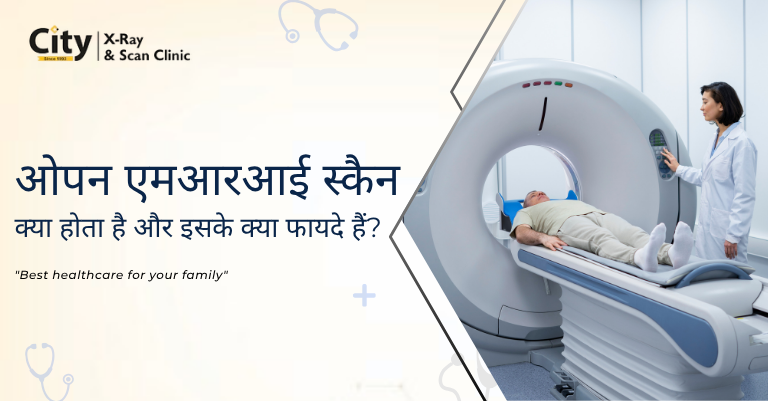
| Brain MRI | Provides detailed images of brain tissue without radiation. Recommended to rule out structural secondary causes if neurological signs are present. See the MRI brain scan procedure and purpose. |
| Brain CT Scan | Uses X-rays for rapid imaging. Primarily used in emergency settings to rule out acute bleeding or traumatic injury. |
| Complete Blood Count (CBC) | Evaluates white and red blood cell levels to check for underlying infection or severe anemia contributing to symptoms. |
| Blood Glucose Test | Measures blood sugar levels to rule out hypoglycemia or hyperglycemia as a headache trigger. |
| Thyroid Function Test (TSH, Free T4) | Evaluates thyroid performance if broader metabolic issues are suspected. |
| Kidney & Electrolyte Panel | Assesses organ function and hydration/electrolyte status, particularly after prolonged vomiting. |
Frequently Asked Questions (FAQs)
1. What is the fastest natural way to relieve migraine pain?
Resting in a dark, cool, and quiet room with a cold compress on your forehead or neck while sipping water provides the fastest natural relief for many people.
2. Can drinking water stop a migraine?
If the migraine was triggered or exacerbated by dehydration, drinking water can reduce severity. However, hydration alone may not stop a fully established migraine attack.
3. Is an MRI scan necessary for every migraine?
No. Individuals with a classic migraine history and a normal neurological exam rarely require brain imaging. Scans are reserved for unusual symptoms, sudden onset, or abnormal examination findings.
4. How do I know if my headache is a migraine or a tension headache?
Tension headaches usually cause a dull, aching pain across both sides of the head like a tight band. Migraines are typically throbbing or pulsating, often on one side, and are accompanied by nausea, light/sound sensitivity, or visual disturbances.
Related Articles
- What Is Dehydration? Symptoms and Causes
- Fatigue: Symptoms, Reasons, Tests and Prevention Tips
- MRI Brain Scan: Procedure and Purpose
- Head Injury After an Accident: Which Brain Tests Are Required?
- Vitamin D Deficiency: Symptoms, Risks, Causes and Tests
Disclaimer: This article is for general information only and is not a substitute for professional medical advice.









Comments List